18+ · Research use only

Compounds, studied together.
Curated research stacks, peptides that appear together in published literature, organised by the research areas they span. Strictly investigational reference.
5 research protocols
Soft-Tissue & Connective Repair
The two compounds most frequently studied together in tendon, ligament, and connective-tissue research.
Composition
2 compounds
2 in stock · 0 restock pending
Pentadecapeptide BPC-157 and Thymosin Beta-4 fragment TB-500 are the canonical pairing in soft-tissue repair literature. Research investigates both compounds for their roles in angiogenesis, cell migration, and tissue remodeling, BPC-157 derived from a protective gastric protein, TB-500 as an actin-sequestering fragment. The two are commonly co-studied in tendon, ligament, gastrointestinal mucosa, and broader connective-tissue contexts.
Literature window
Published studies in this area typically report endpoints across multi-week observation windows rather than acute timeframes.
Compounds in this protocol
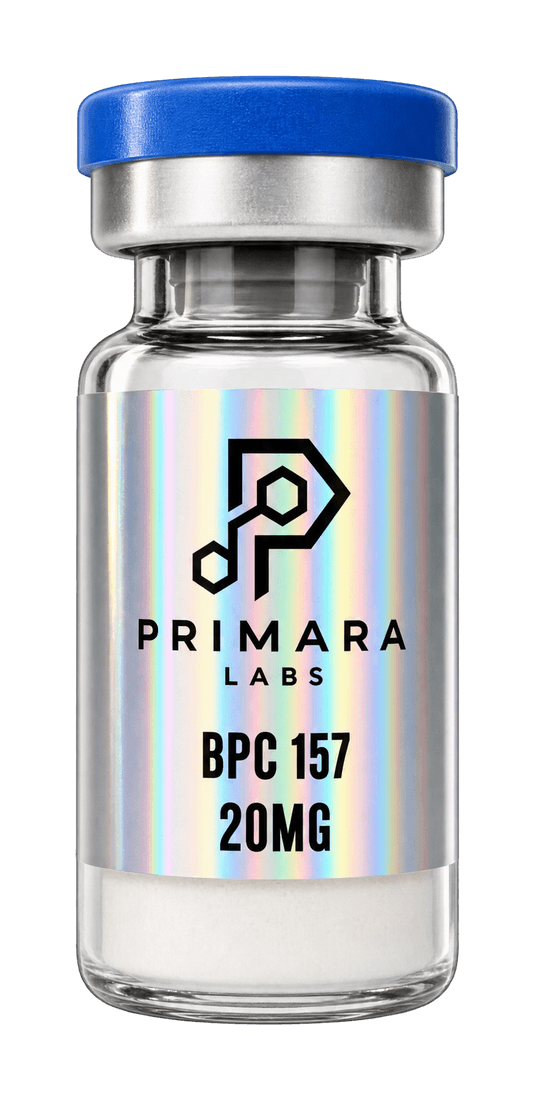 PRM-002 · Recovery
BPC-157 / 20mg
Pentadecapeptide derived from a protective gastric protein, studied for tissue repair and angiogenic activity.
₱2,390₱2,650View vial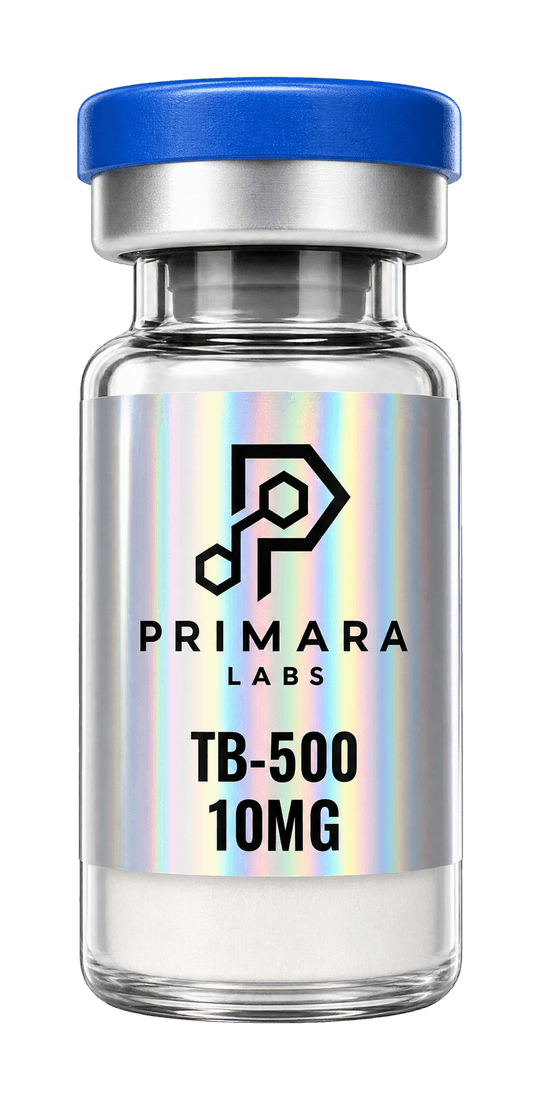 PRM-008 · Recovery
TB-500 / 10mg
Synthetic fragment of Thymosin Beta-4 investigated for actin sequestration, cell migration and connective-tissue repair.
₱2,390₱2,650View vial
GLP-1 / Metabolic Regulation
Incretin-mimetic compounds studied for metabolic and energy expenditure pathways.
Composition
2 compounds
2 in stock · 0 restock pending
Investigational incretin-mimetics, Retatrutide as a triple GLP-1 / GIP / glucagon agonist, Tirzepatide as a dual GLP-1 / GIP agonist, are studied in metabolic regulation research. The literature explores receptor agonism mechanisms, glycemic control endpoints, energy expenditure pathways, and lipid metabolism downstream effects. These compounds are typically the foundation of metabolic-axis research rather than being stacked with other classes.
Literature window
Metabolic-axis research typically reports endpoints across extended observation windows, with multi-week timeframes common in the published literature.
Compounds in this protocol
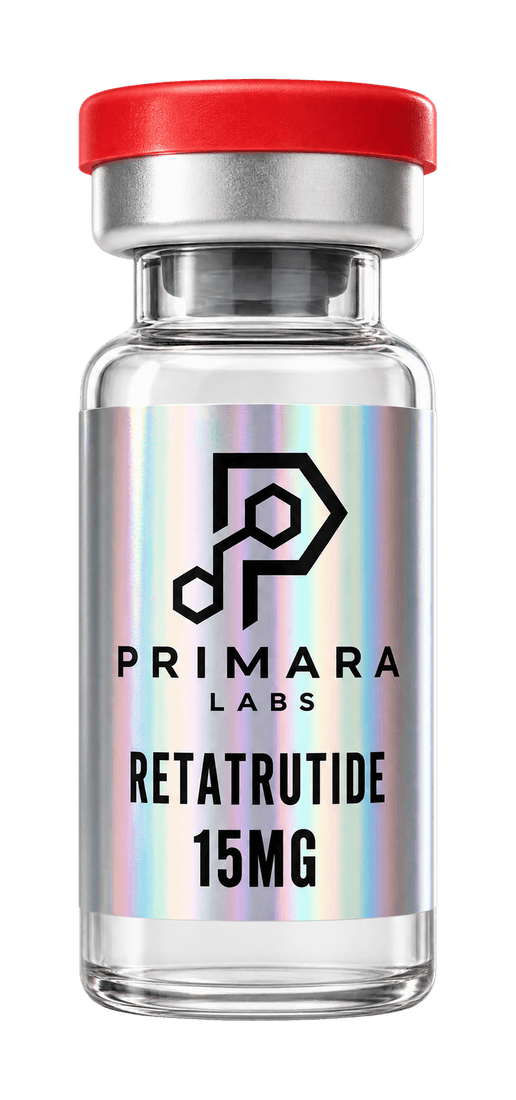 PRM-001 · Metabolic
Retatrutide / 15mg
Investigational triple agonist of GLP-1, GIP and glucagon receptors under research for metabolic regulation.
₱2,990₱3,325View vial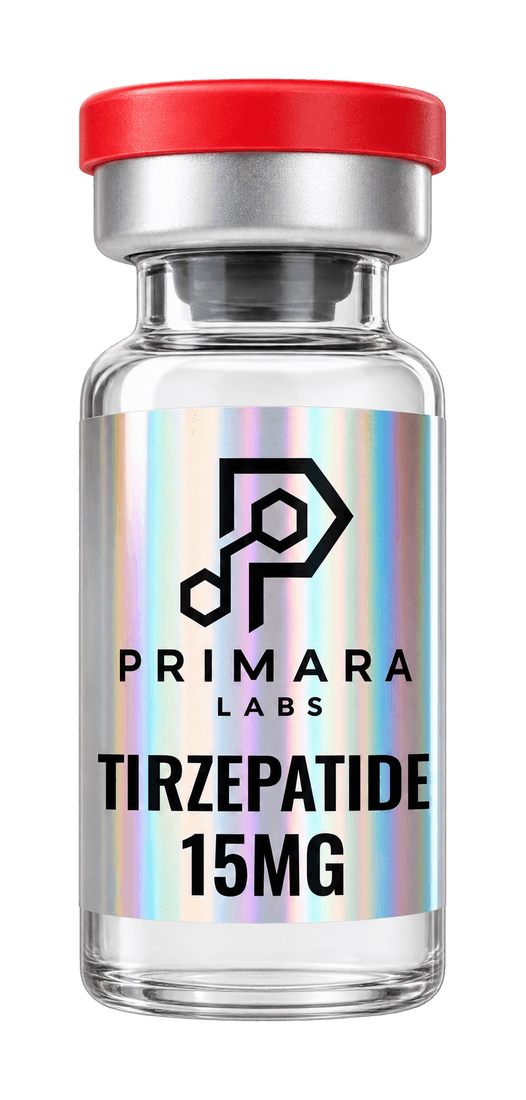 PRM-006 · Metabolic
Tirzepatide / 15mg
Dual agonist of GLP-1 and GIP receptors. Tirzepatide is the active ingredient in Mounjaro and Zepbound, prescription medicines approved by the US FDA; the Primara Labs vial is a reagent sold for research use only and is not that approved product.
₱1,890₱2,100View vial
Mitochondrial Longevity
Mitochondrial-axis compounds frequently co-studied in longevity literature.
Composition
2 compounds
2 in stock · 0 restock pending
NAD+ is studied as an essential coenzyme in cellular redox reactions, with research focusing on mitochondrial function, sirtuin activation, and DNA repair pathways. MOTS-c is a 16-residue mitochondrial-derived peptide investigated for AMPK signaling, glucose homeostasis, and mitochondrial biogenesis. The two appear together in longevity research that examines mitochondrial-axis interventions.
Literature window
Longevity research in this domain typically reports endpoints across extended observation windows where mitochondrial markers can be measured over time.
Compounds in this protocol
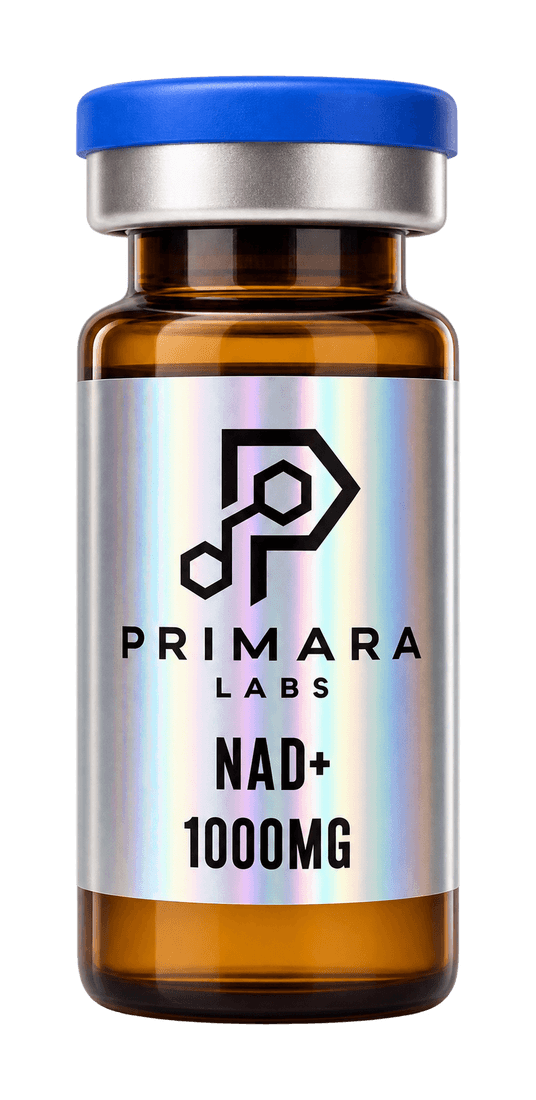 PRM-003 · Longevity
NAD+ / 1000mg
Essential coenzyme in cellular redox reactions; investigated in mitochondrial function and longevity research.
₱2,590₱2,875View vial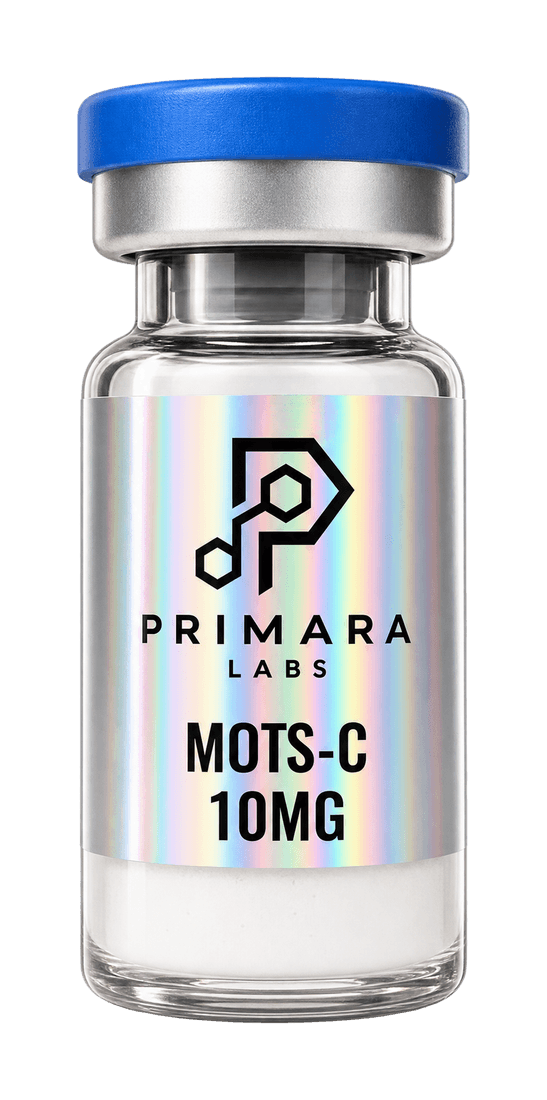 PRM-009 · Metabolic
MOTS-c / 10mg
Mitochondrial-derived 16-residue peptide investigated for AMPK activation, glucose homeostasis and mitochondrial biogenesis.
₱1,890₱2,100View vial
GH Axis & Sleep Architecture
Growth hormone secretagogue research studying pulsatile GH release and downstream IGF-1 dynamics.
Composition
1 compound
1 in stock · 0 restock pending
The CJC-1295 / Ipamorelin blend is a co-formulated growth hormone secretagogue studied for its effects on pulsatile GH release. Research explores downstream IGF-1 axis dynamics and secondary literature has examined effects on sleep architecture and recovery pathways. Investigators occasionally co-study this blend with soft-tissue repair compounds such as BPC-157 in broader recovery research contexts.
Literature window
Research in this area typically uses multi-week observation windows, with sleep-architecture endpoints reported across nightly measurement protocols.
Compounds in this protocol
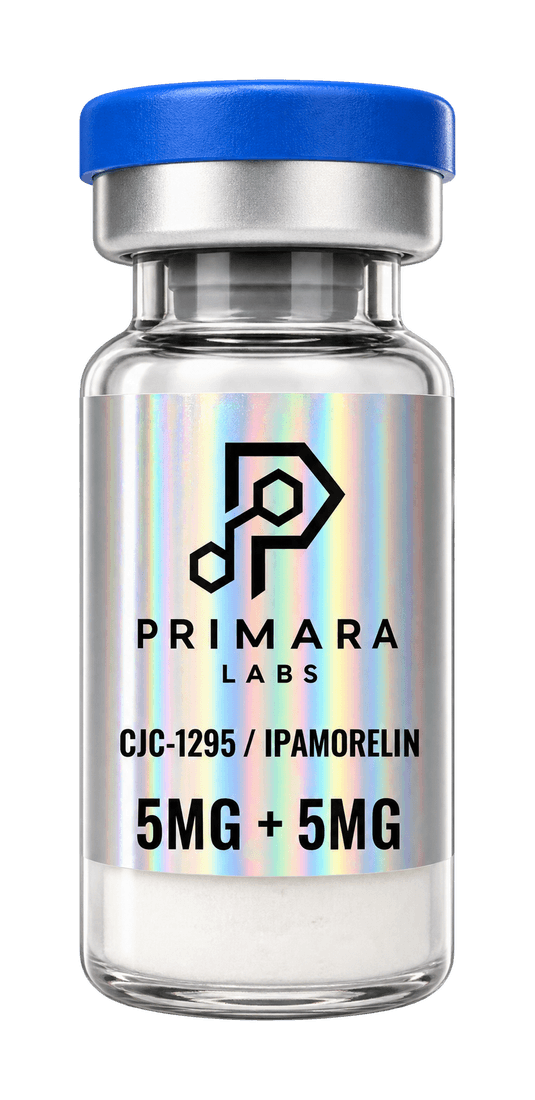 PRM-007 · Recovery
CJC-1295 / Ipamorelin / 5mg + 5mg
Co-formulated growth hormone secretagogue blend studied for pulsatile GH release and downstream IGF-1 dynamics.
₱2,390₱2,650View vial
Dermal Regeneration & Wound
Tissue-remodeling compounds studied for collagen synthesis and wound healing.
Composition
2 compounds
2 in stock · 0 restock pending
GHK-Cu is a copper-binding tripeptide investigated for collagen synthesis, antioxidant gene expression, and dermal remodeling research. BPC-157 has been studied in parallel for wound healing and angiogenic mechanisms. The two are commonly investigated together in dermal regeneration literature, with research examining tissue-remodeling endpoints across skin, wound, and broader regenerative contexts.
Literature window
Dermal-regeneration research typically reports endpoints across multi-week observation windows where collagen and tissue-remodeling markers can be assessed.
Compounds in this protocol
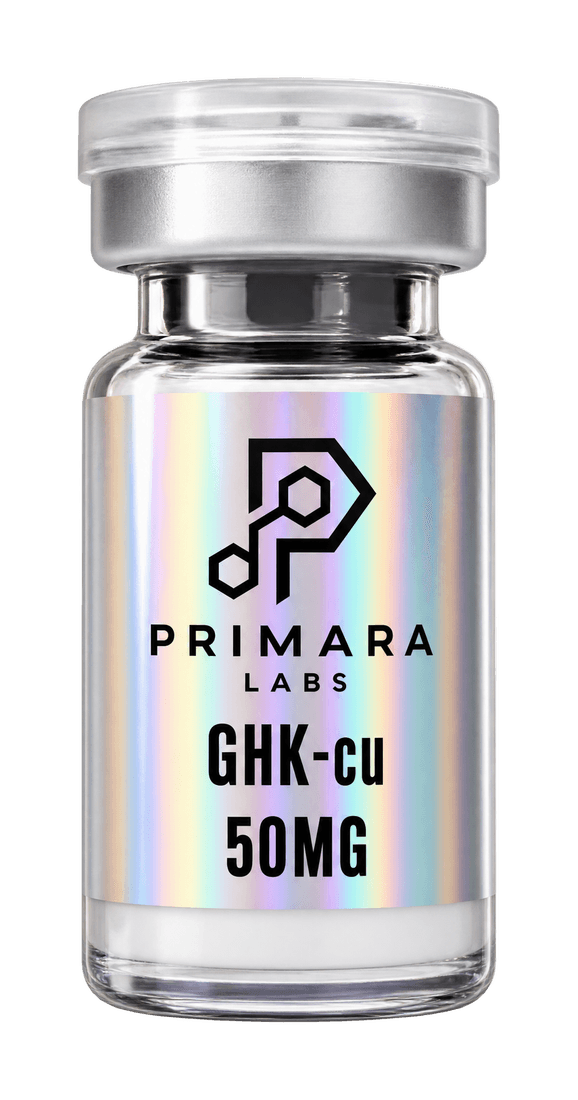 PRM-004 · Regenerative
GHK-Cu / 50mg
Copper-binding tripeptide investigated for dermal remodeling, wound healing and antioxidant gene expression.
₱1,190₱1,325View vial- PRM-002 · Recovery
BPC-157 / 20mg
Pentadecapeptide derived from a protective gastric protein, studied for tissue repair and angiogenic activity.
₱2,390₱2,650View vial
Every protocol references stocked compounds.
Each vial in the protocols above ships batch-numbered from local Metro Manila stock. Every order gets 10% off, applied by hand in the WhatsApp chat.